





Complete Guide to Hand Tools List: 11 Essentials to Have
2024-09-10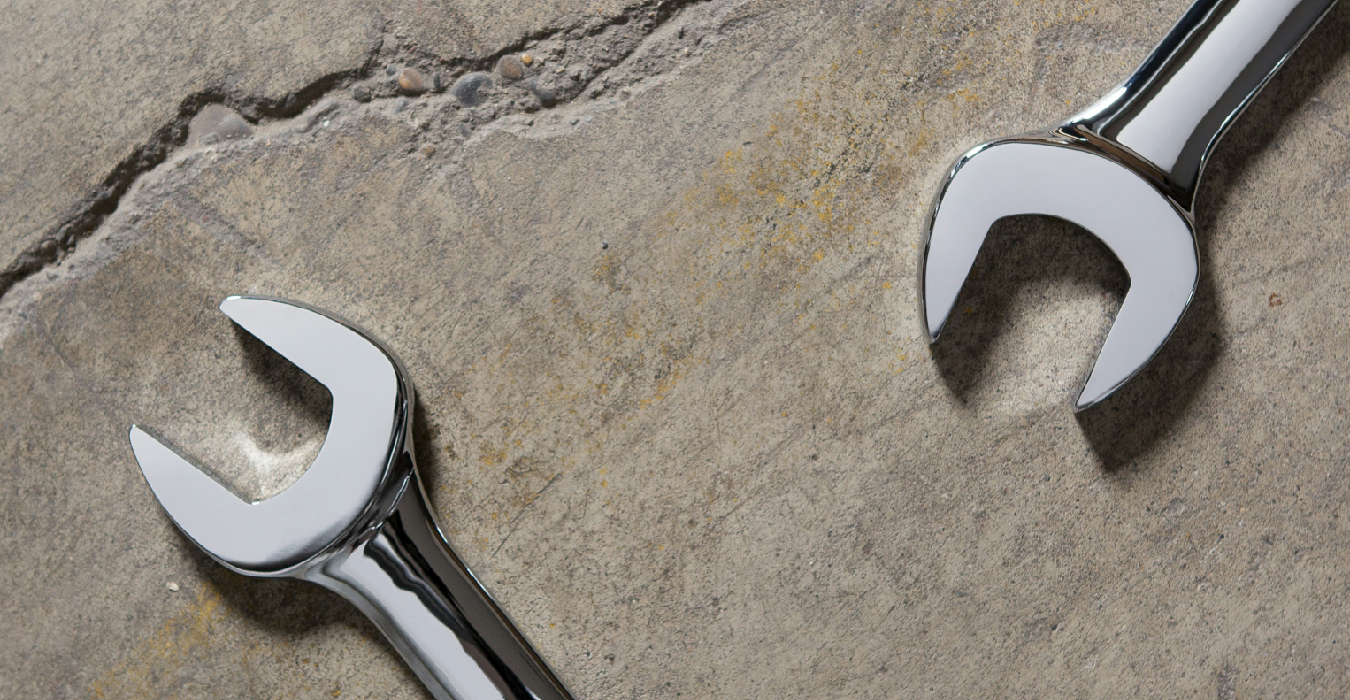
Keeping essential hand tools in your collection is critical no matter who you are or what you do. You need them for simple repairs, dealing with unexpected problems, and fixing anything else that might go wrong at home or work.
But what do you actually need in your toolbox? That’s the topic of this article. We run through the most important hand tools you want in your kit and where to find them.
Types of Hand Tools
Hand tools aren’t just a generic blob of implements. Instead, each tool fits into a category.
Knowing these groupings ensures you can collect all the items you need. Here’s what to buy:
Measuring Tools
You’ll want to start building your tool collection with various measuring devices including tape measures, rules, squares and levels. These ensure your work is accurate and you can measure in multiple directions and situations. Some circumstances require finding right angles while others involve checking distances between two moving parts.
Fastening Tools
Fastening tools are another category you need to consider. These implements are for joining various materials together (or parting them). Hammers, screwdrivers, wrenches and pliers fit into this class and are critical for DIY and repair work. For example, hammers are essential for fitting shelving while you need wrenches for bicycles.
Cutting Tools
Also on your list should be an assortment of cutting tools. These shape and remove materials, allowing you to ensure parts are the right size.
Implements in this category also make fine adjustments to surfaces or objects for more precise repair work. Items in this category include files, scissors, knives, and saws.
Clamping Tools
Clamping tools are another category to consider. These come in handy when you want to hold two things together temporarily while working on them. Vises fall into this classification.
Demolition Tools
Demolition tools might also be helpful for you, depending on where you live and your situation. For example, you could need axes for wood splitting or crowbars for prying things open.
Boring Tools
Boring tools create holes in materials and include hand drills, punches, and braces. These items are helpful for DIY projects, hanging things on walls, and modifying furniture. While the manual versions require more effort than electric equivalents, they can still be handy in some toolboxes.
Sharpening Tools
Finally, adding some sharpening tools to your collection is a good idea. These help you keep cutting tool blades razor-like. Examples include sharpening stones, files and leather straps to polish home-cutting blades.
11 Essentials to be on Your Hand Tools List
The following are essential tools that should be in every toolbox.
1.Hand Saw
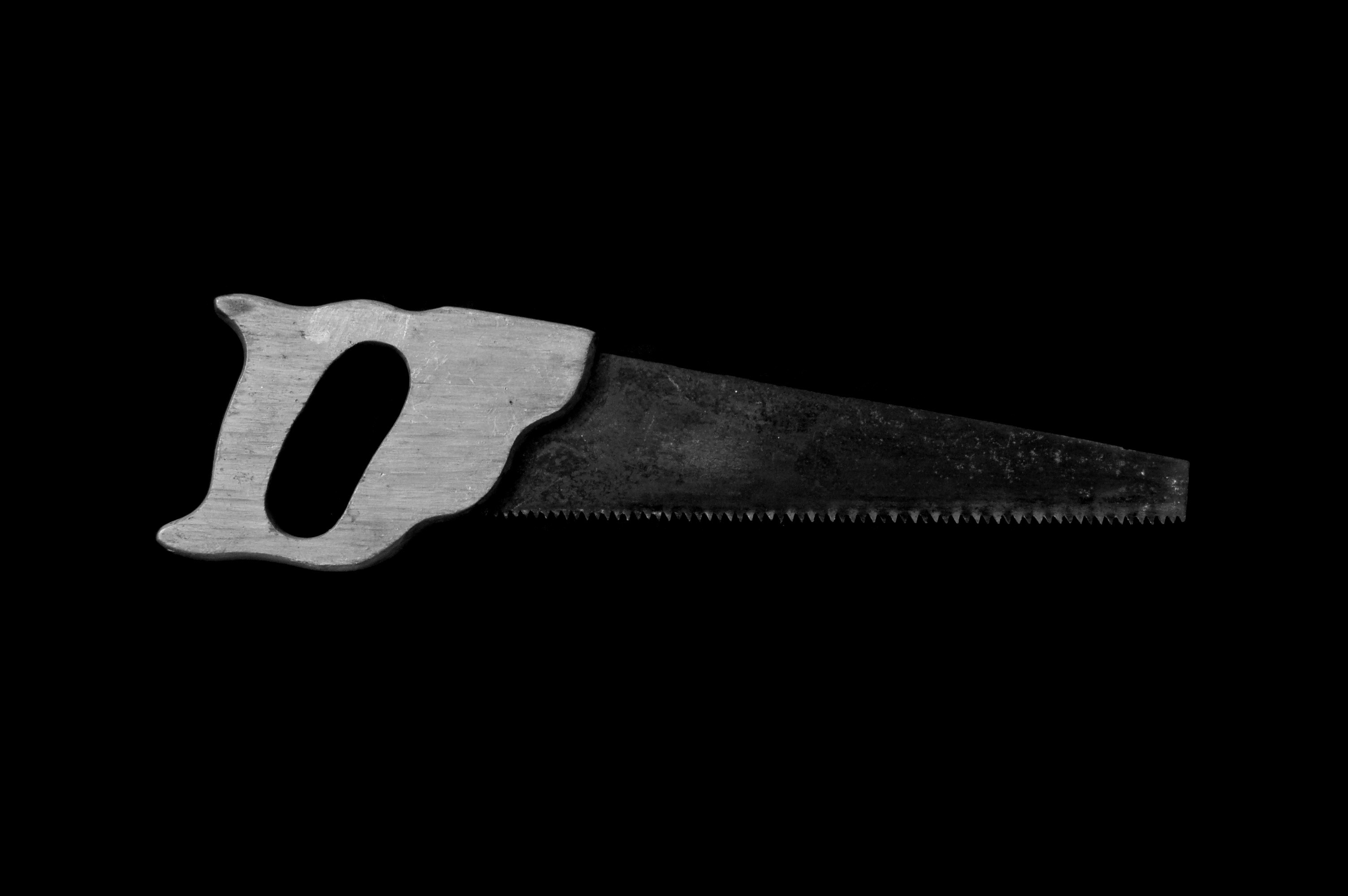
Top of the list of essentials is the humble hand saw, a tool carpenters have used for millennia. These have jagged edges designed for cutting through wood.
Historically, people used them to cut branches off trees and prepare “rough wood.” However, more common contemporary applications include cutting through MDF and shaping plasterboard during renovation work.
Hand saws are inexpensive but need you to be fairly strong to use them. Manual sawing is often a workout.
2.Metal Hammer
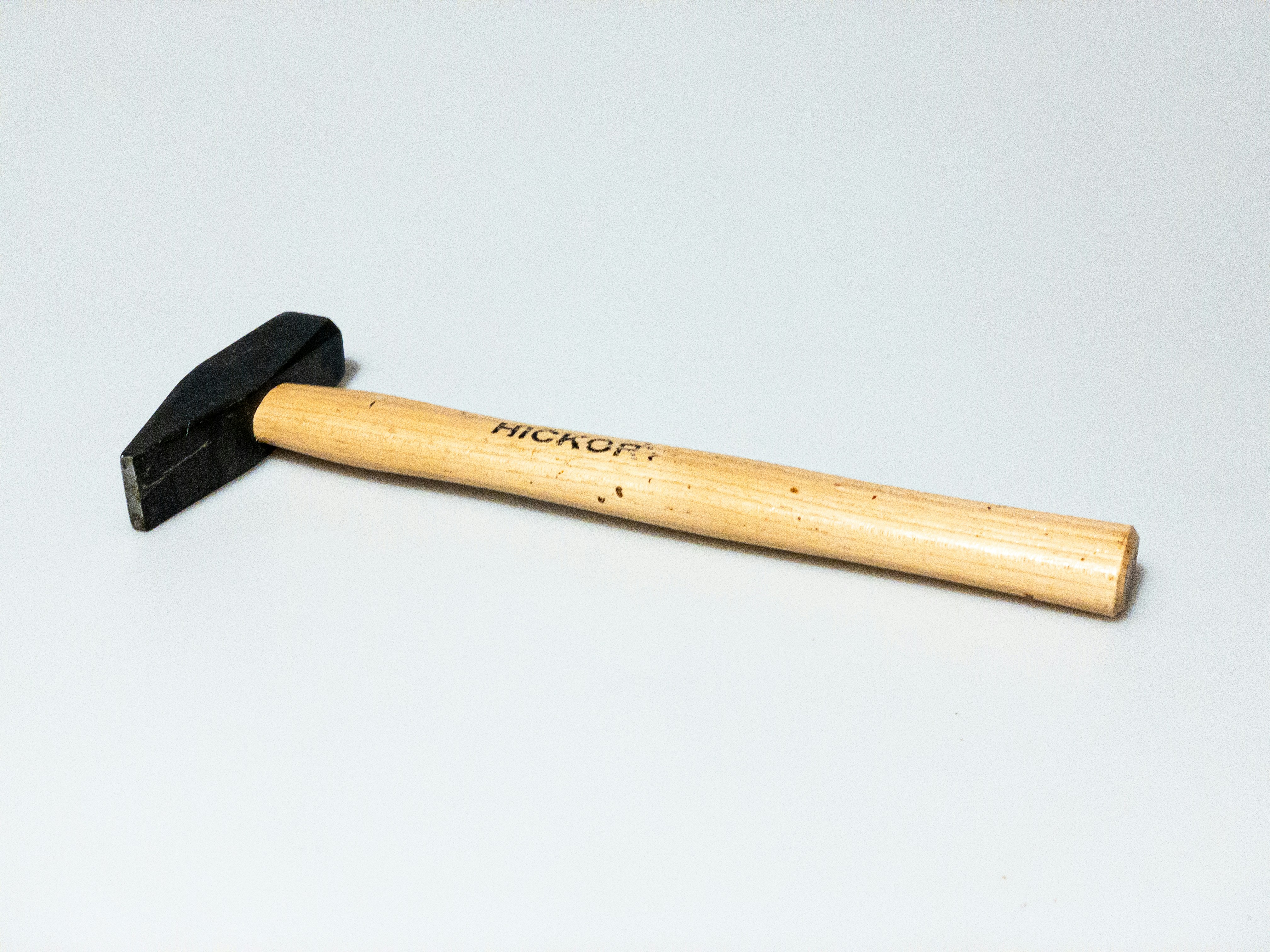
You also want a metal hammer in your tool collection. These are useful for:
- Inserting nails into walls
- Shaping metal
- Setting rivets
- Breaking objects into smaller pieces
- Striking tasks on harder surfaces
- Using punches and chisels (to make holes or shape materials)
Look for a handheld hammer with good weight and balance. Check the interface between the shaft and the metal end. Wooden-handed hammers are okay, but ideally, you want something constructed from the same metal billet to reduce the risk of failure.
3.Nylon Mallets
Nylon mallets are another tool you want in your collection. These are for softer targets with a risk of damaging the surrounding material or the object you are striking.
People use nylon mallets for:
- Bashing thin metal or wooden tent pegs into the ground
- Gently tapping parts together or apart in assembly work
- Smashing soft metals without marring them
- Assembling furniture (particularly with dowels)
- Delicately adjusting parts on vehicles, machinery or appliances
Sometimes you can use wooden and nylon mallets interchangeably, but not always. Therefore, we’d suggest nylon 90% of the time unless you know you need a mallet for a specific application.
4.Pliers
Toolboxes also require nippy plier tools for odd jobs around the house (often involving plumbing and wiring). These are essential for grabbing onto things that fingers can’t.
Start your collection with needle-nose pliers – the most common type. These have slender jaws and pointed tips for grabbing small objects firmly. If you want to cut wires, use lineman’s pliers. These can grab, cut, and strip wires without changing tools.
Pliers are mainly used for bending, crimping and twisting (often wires). However, their gripping function makes them useful for many other applications besides. For example, you can use them to make fiddly repairs to toys, fix appliances, and remove items from objects that can’t be reached by hand.
5.Screwdrivers
Toolboxes aren’t complete without a set of handy screwdrivers. These are useful for tightening nuts and bolts.
Aim to include the following screwdriver types in your collection:
- Flathead screwdrivers for slotted screws (the ones with a single line running across them)
- Phillips screwdrivers with a crosshead design to reduce cam-out (where the tool leaves the screw head and risks rounding)
- Square-drive “Roberston” screwdriver that fits into square-shaped recesses on screwheads
- Hex and Torx screwdrivers for star-shaped and 6-pointed screw heads
Once you have screwdrivers in your collection, you can use them for all sorts of things, including:
- Taking furniture apart
- Fitting plug sockets into the wall
- Fixing items around the home
- Prying things open
- Repairing appliances
- Renovating rooms
6.Chisels
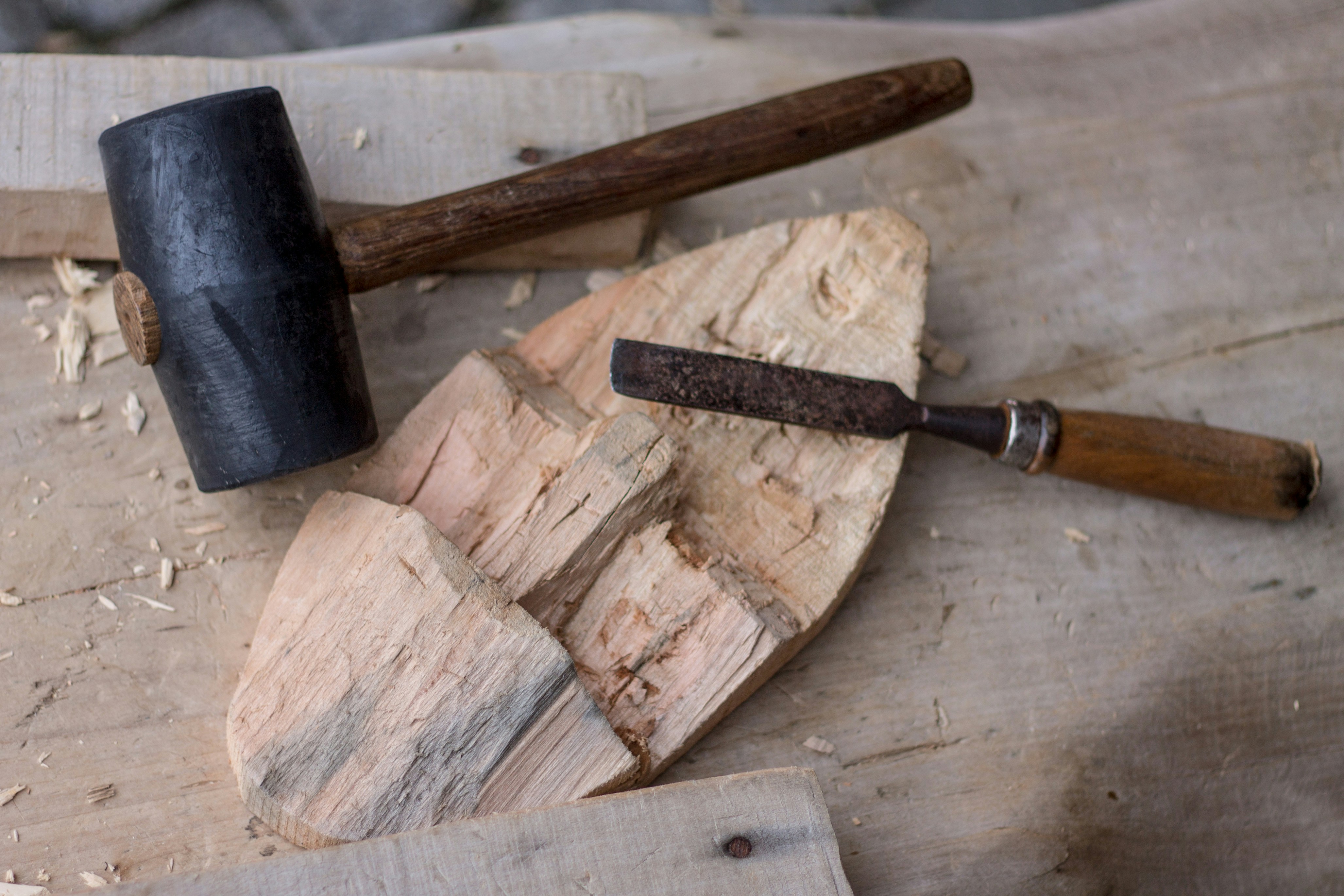
Toolboxes can also benefit from chisel sets. These help to shape and mould wood for various applications.
Unless you are a professional, you can start your collection with a bench chisel. These are the most common and have a bevelled edge for general-purpose shaping and cutting.
Tang chisels are for heavy-duty tasks when you need to apply more force. These are often all-metal construction (eliminating the wooden handle).
Some common at-home chisel tasks include:
- Trimming joints for tighter fits when making furniture
- Repairing damaged wood (ready for repainting)
- Replacing broken weatherstripping
- Adjusting indentations for door hinges
- Reshaping door outers to make them fit in their frames
- Installing custom-built hardware, such as in-built cabinets
7.Hacksaw
Hacksaws should also feature on your toolbox. You need these whenever you want to cut through metal.
Hacksaws have a special hardened cutting surface that grinds through metal when you apply sawing action and force. However, because of the sheer wear and tear they experience, blades are replaceable (and often come in sets).
You can use hacksaws for things like:
- Cutting through plumbing pipes
- Shaping sheet metal for decorative applications
- Cutting metal rods to length (often for repair work purposes)
- Removing stuck-in bolts and screws
8.Clamps
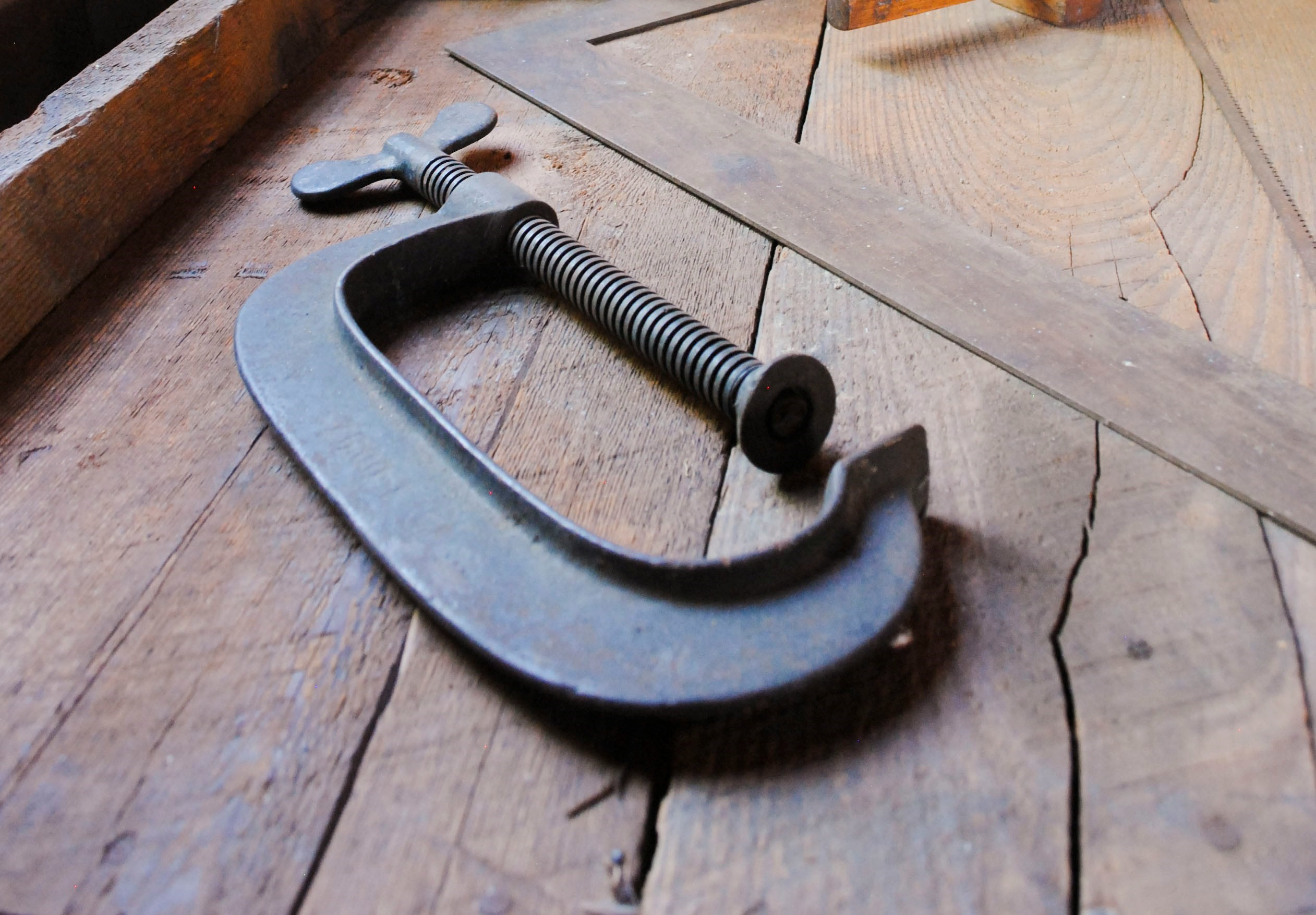
Clamps are another toolbox must-have. These hold materials together while you work on them, eliminating the need for a third arm.
Most hand tool clamps work on a screw mechanism that brings the two holding plates together when you tighten. Mostly, DIYers use them for woodwork, but they can also be helpful for fiddly bicycle repairs or assembly jobs.
9.Pry Bar
Pry and wrecking bars are also helpful if you enjoy home renovations. These are useful for:
- Removing old window frames
- Ripping up floorboards
- Removing doors
Pry bars are simple tools – usually just a strengthened piece of metal with a handle at one end and a hook at the other. Some have slots for prying nails from wood and strike zones for hammers.
10.Files
No toolbox is complete without files. Again, these are helpful for repair tasks around the home. People use these for:
- Deburring rough-cut metal pipes, removing sharp pieces of metal
- Smoothing the edges of machine-cut brackets for holding shelving and cabinetry in place
- Rounding off edges and corners on display metal
- Sharpening other tools, such as knives and cutting implements
11.Spanners And Wrenches

Finally, a complete toolkit requires spanners and wrenches of various kinds.
Adjustable wrenches are helpful because you can change them to fit bolts of any size using the screw-adjusting mechanism. Fixed sets are more suitable for precision work where you need a robust surface to grip the nut.
DIY jobs spanners and wrenches are helpful for:
- Putting flat-pack furniture together
- Making various plumbing repairs and adjusting valves
- Multiple gardening and outdoor maintenance tasks
- Bike maintenance
- Repairing appliances
Conclusion
Keeping these hand tools in your toolbox brings multiple benefits like being able to deal with unexpected emergencies and do money-saving DIY jobs yourself. Therefore, we recommend preparing your toolbox according to this guide. The more items you can include, the more issues you can deal with at home. To find tools for your toolbox, tsaifa@ms34.hinet.net or use our contact form to send your questions.